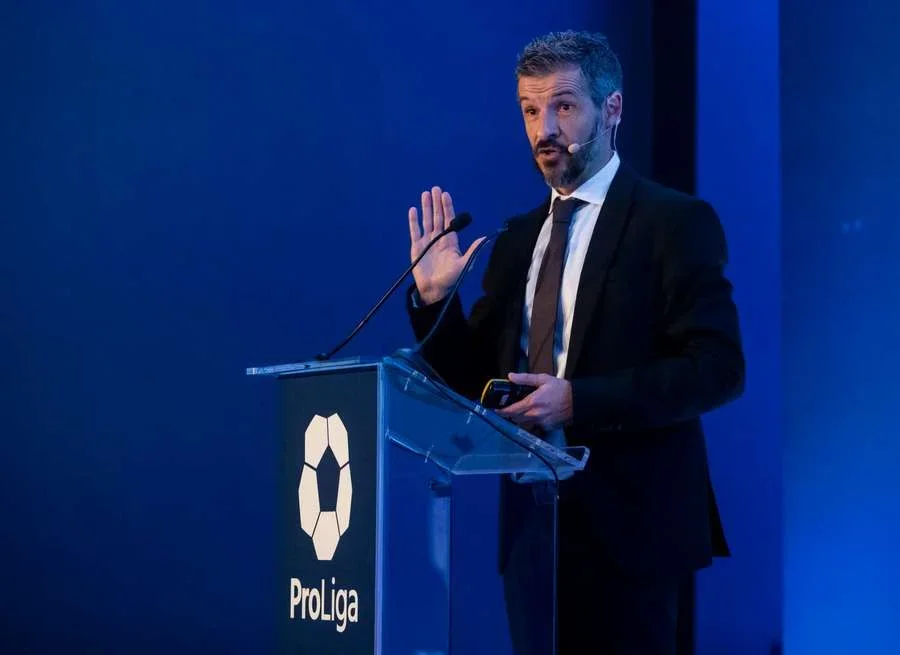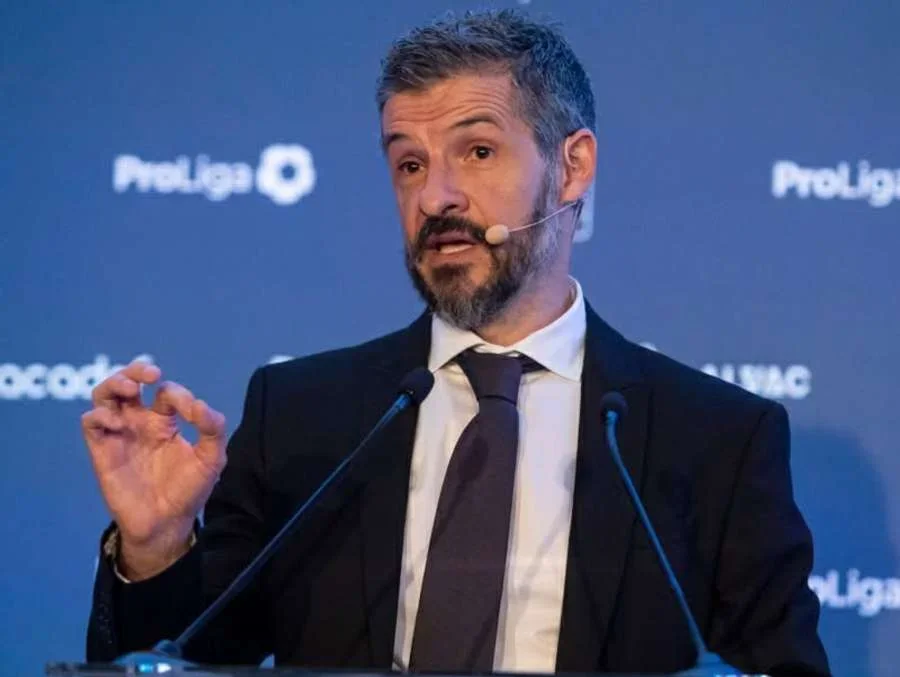

David Jiménez, president of ProLiga, an association dedicated to defending the interests and prestige of non-professional football clubs and their competitions, sat down for an exclusive interview to discuss the current state of Spain’s Primera, Segunda, and Tercera Federación, as well as clubs in lower divisions.
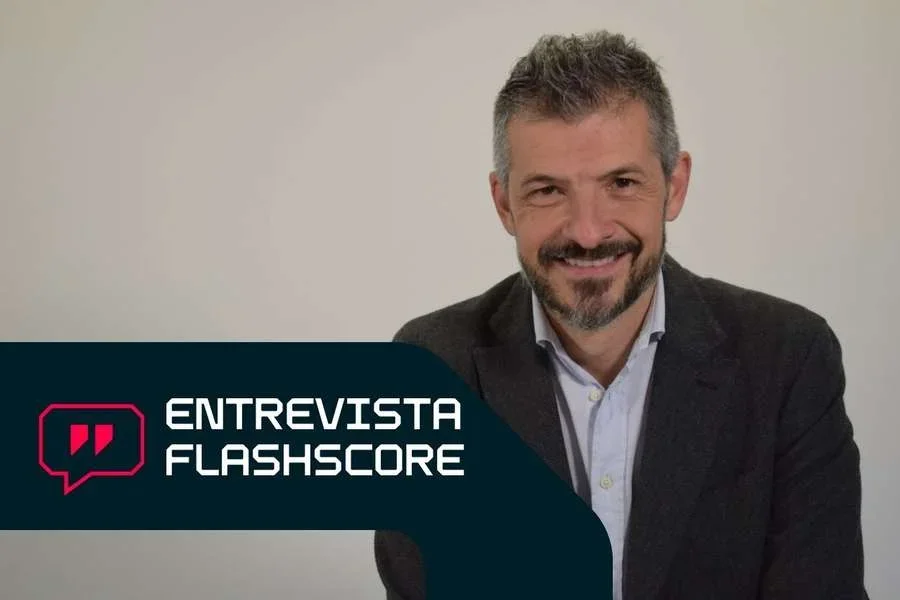
**Question: How long have you been leading ProLiga?**
**Answer:** I have been president since 2018, when a structural change took place within ProLiga. I was later re-elected.
**Q: What is ProLiga’s main role? I understand it represents clubs in Primera, Segunda, and Tercera Federación—basically all non-professional football. Are there other details?**
**A:** ProLiga represents men’s national-level non-professional clubs. In terms of categories, we’re talking about Primera, Segunda, and Tercera Federación, as well as youth teams and the Honor Youth Division.
Relatively recently, an assembly approved that clubs in the division immediately below Tercera—which may be called Preferente in some autonomous communities, Honor Division in others, or, as in Madrid, Primera División Autonómica—can also join.
One of ProLiga’s responsibilities is preparing clubs to be ready for promotion to national categories.
**Q: Looking back, do you think the restructuring of Spanish football—replacing Segunda B with four groups of 20 and Tercera with 17 groups—was positive or negative?**
**A:** We need to consider the context and circumstances at the time of that restructuring. Some clubs view it more positively, others less so. Our assessment is that the categories are reasonably well structured from a sporting perspective, but economically it’s a different matter. For example, Primera Federación, though not classified as professional, demands a significant financial effort.
While there is considerable debate about potential adjustments to make categories more competitive, we think it’s reasonably fine.
**”Primera and Segunda Federación Are Financially Demanding”**
**Q: Let’s move to the financial side, since you mentioned it.**
**A:** Primera and Segunda Federación are especially demanding from an economic standpoint. I believe we need to find a balance between maximizing audiovisual commercialization and marketing opportunities, optimizing both areas.
But clubs also need to exercise reasonable management. Ideally, the expenses generated by competitions or teams should align with the income clubs have. We must try to ensure that the aid a club receives is as close as possible to the minimum needed to compete.
Beyond that, if a club has more income, it can spend accordingly—but always under responsible management. There’s no sense in spending what you don’t have.
**Q: How does a club transition after relegation from Segunda División to Primera RFEF? Recently we have Tenerife, and several historic teams are on the brink in that silver category.**
**A:** They already have aid funds from La Liga when they drop down. That’s defined. What’s true is that teams relegated from professional divisions—Segunda División—face a tough adjustment.